Home Buying
Why Waiting for Rate Cuts Is Costing You
 Toni Taylor Gazza · NMLS #274323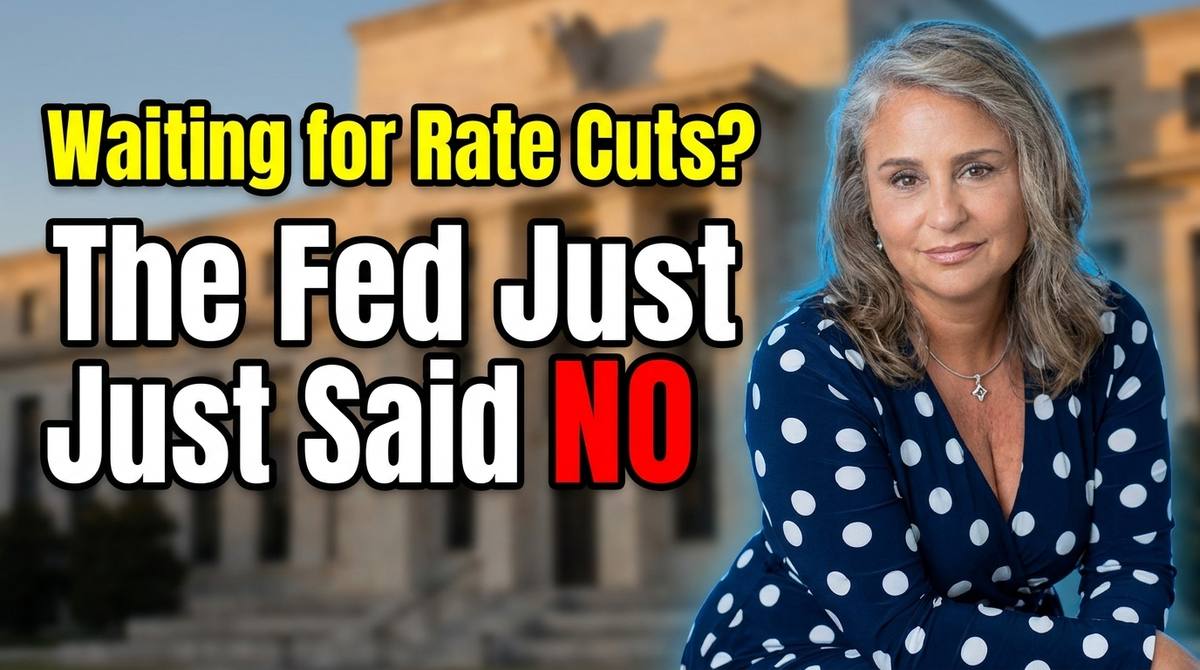
Should I wait for rate cuts before buying a home?
For many buyers, waiting for rate cuts costs more than a higher rate. The Fed just hiked rates on a unanimous vote and made inflation its priority, so lower rates may not arrive soon. While you wait, rent leaves your account, home prices move, and equity you would build stays out of reach. A rate is temporary and can be refinanced. The equity and appreciation you skip cannot be recovered.
Should I wait for rate cuts before buying a home?
For many buyers, waiting for rate cuts ends up costing more than a higher rate ever would. The Fed just hiked rates on a unanimous vote and made clear that controlling inflation, not making mortgages cheaper, is its focus. That means lower rates may not show up for a while. While you wait, rent keeps leaving your account, home prices keep moving, and the equity you could be building stays out of reach. A rate is temporary and can be refinanced. The equity and appreciation you skip cannot be recovered.
What did the Fed's unanimous vote actually signal?
The Fed hiked rates on a 12 to 0 vote. Unanimous. Every member agreed, which had not happened since May of 2025. The Fed closed its statement by saying it will deliver price stability. In plain English, that means inflation is their whole focus right now. Not helping buyers. Not making mortgages cheaper. Getting prices under control.
A unanimous vote also tells you something important. There is no quiet camp inside that room pushing for cuts. They are all rowing the same direction. The Federal Reserve sets monetary policy based on its dual mandate of stable prices and maximum employment, and you can read how it thinks about that on the Federal Reserve's own site.
There is a political layer too. Twelve days before the vote, the President said he would stop trading with more than fifty of our trade partners if the Fed did not cut. The Fed did the opposite and hiked. So the gap between the White House and the Fed is not closing. It is getting wider. For anyone hoping a policy shift is right around the corner, that is not the signal you want to see.
Why does waiting feel safe when it may not be?
Here is the pattern I watch play out over and over. Someone sees a headline like this, exhales, and says, "Okay, I will just wait a little longer until things make sense."
When the world feels uncertain, waiting feels safe. It feels like the responsible move. Your brain reads waiting as a free option, like you are keeping every choice open and not committing to anything risky. That is the psychology. Doing nothing feels like protecting yourself.
But waiting is not free. It only feels free. While you wait for a better rate, three things keep moving without you.
What is waiting actually costing you?
Three costs stack up quietly while you sit on the sidelines.
- Rent keeps leaving your account. Every month it is gone, and you never see a dime of it again.
- Home prices keep doing whatever they are going to do. In most markets they have not been sitting still.
- Equity does not start building until you own. The slow, quiet part where every payment chips away at what you owe does not begin until you actually own something.
Let me make it concrete. Say you pay a set amount in rent each month. Multiply that by twelve and that is what leaves your life every year with nothing coming back. Wait three years for the perfect moment and you have handed your landlord three years of payments. That is not a rate. That is real money out of your life.
Compare that to owning. Part of every mortgage payment goes toward the loan balance. That is the equity part. It is small at first, I will be honest with you, but it is yours and it builds. And here is the piece people miss. If home values rise while you own, you capture that gain on the whole house, not just on your down payment. When you rent, you capture none of it. Zero.
Why is a mortgage rate not permanent?
Everyone is fixated on the rate. But a rate is not permanent. If rates come down in a few years, you refinance. You reset the payment. Refinancing is a standard tool, and the Consumer Financial Protection Bureau explains how it works so you can weigh the costs.
What you cannot get back is the years of equity and appreciation you skipped while you waited for a lower rate to appear. That is the trade people miss. You marry the house. You date the rate. The house is the asset. The rate is temporary.
So the smarter move for a lot of people is not waiting for the Fed. It is figuring out what you can honestly afford at today's numbers and deciding whether the cost of waiting is worth it.
When is waiting actually the right call?
I want to be careful here. I am not telling you to run out and buy something tomorrow. For some people, waiting is genuinely the right decision.
If your income is not steady yet, if you have debt you need to clear first, or if you have not saved enough to keep a cushion after you close, then slowing down is smart. This is not for everyone. A responsible plan starts with your real situation, not a headline.
What if you are self-employed and think you will not qualify?
For a lot of buyers, and especially self-employed buyers, the thing holding them back is not the rate at all. It is that they think they will not qualify. Their tax returns show a smaller number than what they really earn. So they assume the answer is no, and they wait.
Here is what most of those buyers do not know. There are loan options built specifically for people whose tax returns do not tell the whole story. The IRS explains how self-employment income and deductions are reported, which is exactly why write-offs can make your qualifying income look lower than your real cash flow. As an independent broker, I am not stuck selling one product. I shop across lenders to find the one that fits how you actually earn a living.
How should you make this decision?
A headline about the Fed is not a plan. It is just a headline. Your situation is specific. Your income, your rent, your savings, and your goals are what the decision actually turns on.
The right approach is to run your real numbers, compare the true cost of buying now versus waiting, and decide with clear eyes. Not the numbers you are hoping for. The ones you actually have.
If you have been waiting for rate relief that has no sign of showing up, let's find out what buying actually looks like for you at today's numbers. Book your consult today and bring me your real situation. I will walk you through it in plain English.
Frequently asked questions
Does a Fed rate hike directly raise my mortgage rate? +
Not directly. The Fed sets the federal funds rate, which influences short-term borrowing costs. Mortgage rates track more closely with the bond market and investor expectations about inflation. That said, when the Fed signals a firm focus on fighting inflation and votes unanimously to hike, it tells the market that lower rates are unlikely soon. That expectation can keep mortgage rates elevated. The takeaway is that waiting for the Fed to bail you out with cheaper mortgages may leave you waiting a long time.
Is it smarter to wait for lower rates before buying? +
For many buyers, no. While you wait, rent keeps leaving your account, home prices keep moving, and equity does not build until you own. A rate is temporary because you can refinance if rates drop later. What you cannot recover is the appreciation and equity you skipped during the wait. That said, waiting can be the right call if your income is not steady, you have debt to clear, or you lack a cushion after closing. The answer depends on your specific situation.
What does 'marry the house, date the rate' mean? +
It means the house is the long-term asset and the rate is the temporary part. If you buy at a higher rate and rates fall later, you can refinance to reset your payment. The house, though, is what builds equity and captures appreciation over time. You commit to the home for the long haul while treating the rate as something you can change. It reframes the rate from a dealbreaker into a detail you can adjust down the road.
Can self-employed buyers qualify for a mortgage with low tax returns? +
Often yes. Self-employed borrowers frequently take deductions that lower their reported income on tax returns, which can make qualifying income look smaller than actual cash flow. There are loan programs designed for people whose tax returns do not tell the whole story. An independent broker can shop across multiple lenders to match a program to how you actually earn. Do not assume the answer is no before you have someone run your real numbers.
How do I calculate the real cost of waiting to buy? +
Start with your monthly rent and multiply it by twelve to see your yearly cost, then by the number of years you plan to wait. That total is money you will not get back. Compare it to owning, where part of each payment builds equity and any rise in home value applies to the whole property, not just your down payment. A mortgage professional can run both scenarios side by side so you can see the true trade-off.
Can I refinance later if rates drop after I buy? +
Yes. Refinancing replaces your current loan with a new one, often to secure a lower rate or payment. If rates fall in the years after you buy, refinancing lets you reset your monthly payment. There are closing costs to weigh, so it makes sense to compare the savings against those costs. The point is that a higher rate today is not permanent, while the equity and appreciation you build by owning cannot be reclaimed later.
Sources
- Monetary Policy — Federal Reserve
- What is refinancing a mortgage? — Consumer Financial Protection Bureau
- Small Businesses and Self-Employed — Internal Revenue Service
About the author
Toni Taylor Gazza — Founder & Mortgage Expert
NMLS #274323
Toni Taylor Gozza has spent her entire career — since 1990 — inside the mortgage business, and she's worked every channel of it: consumer finance, banks, wholesale lending, and mortgage brokering. She was one of the youngest people ever promoted into management at her company at age 21, and one of the very few people in the country to serve as a wholesale account executive with actual signing underwriting authority. Running an entire wholesale mortgage company gave Toni rare insight into what secondary markets and investors need to package and approve a loan. That underwriting-level understanding is exactly why she and her team can find a path for borrowers other lenders turn away, especially in the Non-QM space. Toni leads Interconnect Mortgage as an educator first. She won't sell you into a loan you don't need — she'll explain your options in plain English so you can decide for yourself. A Palm Beach County resident since 1992, she's active with the Junior League and the Couture Club, a local organization supporting children's foundations.
Ready to talk numbers?
Schedule a 15-minute call. We'll walk through your situation and show you what's actually possible — no pressure, no pitch.
Book a call
