First-Time Buyers
Florida Hometown Heroes Explained in Plain English
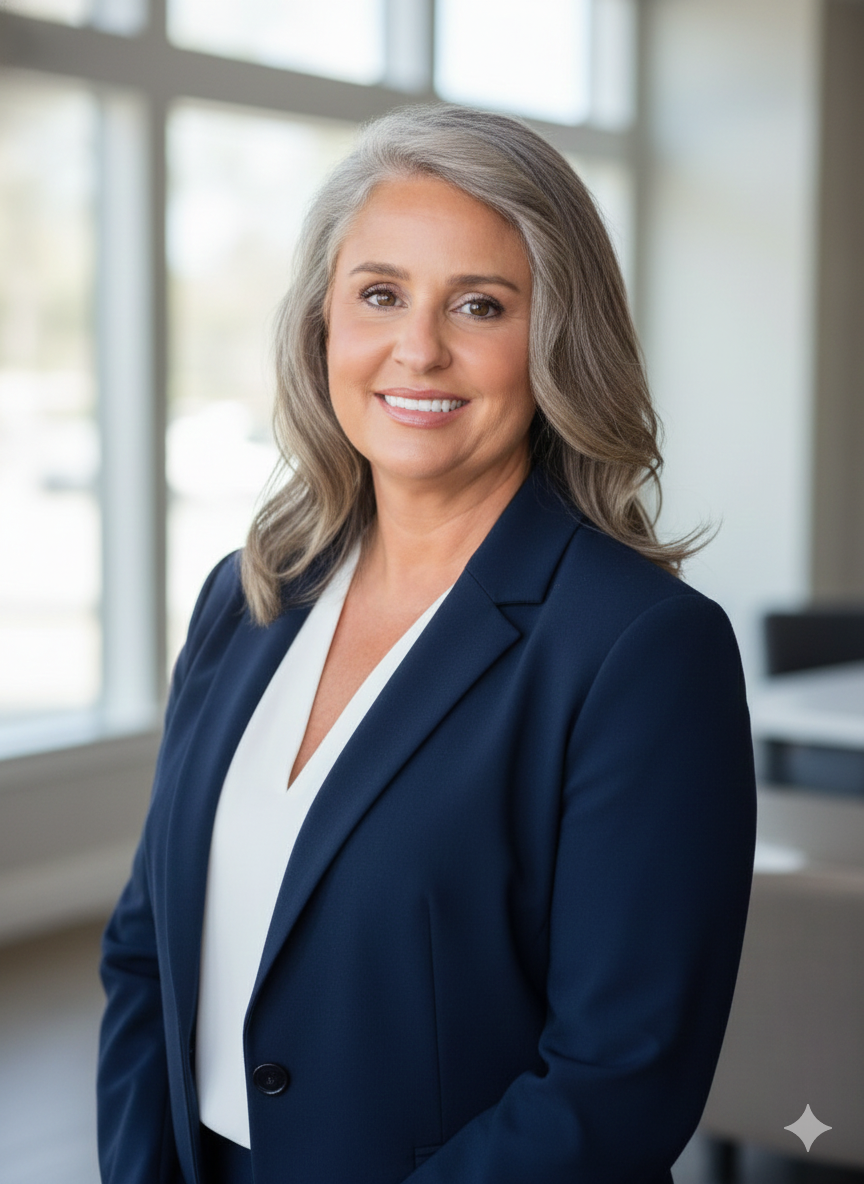 Toni Taylor Gazza · NMLS #274323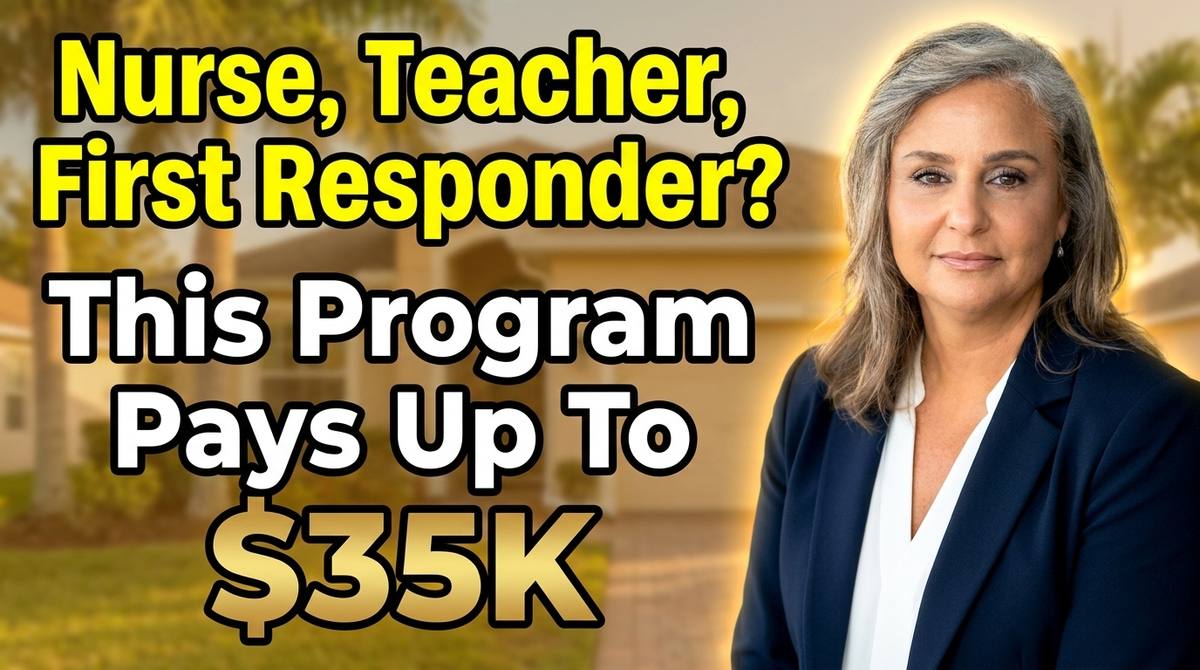
How does the Florida Hometown Heroes Program work and who qualifies?
The Florida Hometown Heroes Program gives eligible frontline workers down payment and closing cost help worth 5% of the loan amount, with a set floor and ceiling. It comes as a zero percent deferred second mortgage, not a grant. Qualifying buyers must be first time buyers, have a 640 credit score, meet county income limits, and work full time for a Florida employer.
What is the Florida Hometown Heroes Program?
The Florida Hometown Heroes Program gives eligible frontline workers down payment and closing cost help to buy a first home in Palm Beach, Martin, and St. Lucie Counties. Assistance equals 5% of the loan amount, with a defined floor and ceiling, and it comes as a zero percent deferred second mortgage rather than a grant. To qualify you generally must be a first time buyer, have a 640 credit score, meet your county income limit, and work full time for a Florida based employer.
The name confuses people, so let me put it in plain English. This is the state of Florida helping eligible workers cover the down payment and closing costs on a home. It is not a rebate you chase down later. It is money that shows up at the closing table.
Why does the timing matter right now?
The funding for this program is limited, and it is set through the Florida Housing Finance Corporation. When the pool runs out, it runs out. A large share of the current funding is already spoken for, and it is on pace to run low as the year moves forward.
So waiting is not a neutral choice. Every month you wait, two things happen at the same time. Home prices in Palm Beach, Martin, and St. Lucie keep moving, and the assistance pool keeps shrinking toward zero. In this case, the cost of waiting is measured in real dollars you could have had at your closing table.
What does the down payment assistance actually cover?
The down payment is the chunk of the purchase price you pay up front out of your own pocket. For most buyers, that up front cash is the single biggest wall between renting and owning. This program helps knock that wall down.
The assistance equals 5% of your loan amount, with a floor and a ceiling built in. That means a smaller loan still gets you at least the minimum automatically. On top of that, the standard 1% origination fee, which is the lender's setup fee, gets waived. That keeps more money in your pocket when you sit down to close.
Who counts as a hometown hero?
Here is the part most people get wrong. It is not about your job title. It is about who employs you and where you work.
Eligible groups include healthcare workers, K through 12 school staff, first responders, law enforcement, court employees, childcare workers, and military members and veterans. Listen closely to this next part. The janitor at the hospital qualifies. The cafeteria worker at the school qualifies. What matters is that your employer has a real Florida location you report to, and that you work there full time.
A fully remote worker does not qualify. A hybrid worker who is on site at least three days a week does. And if you are a veteran with a valid DD-214, you do not need one of the specific job categories at all. You just need to be working full time for a Florida based employer. You can confirm your discharge documents through the U.S. Department of Veterans Affairs.
What are the income, credit, and buyer requirements?
Let me walk through the guardrails so you can see if you are a fit.
- First time buyer. This really means you have not owned your primary home in the last three years. Veterans are exempt from this rule.
- Income limit. The limit changes by county and by household size. Palm Beach, Martin, and St. Lucie each have their own numbers, and they get adjusted during the year. I will not throw a figure at you that could be wrong by the time you read this. That exact number for your county and household is something I can pin down quickly.
- Credit score. You need at least a 640.
- Debt to income ratio. This is how much of your monthly income already goes to bills like car loans and credit cards. It can go up to 50% with an automated approval, so a car payment does not automatically knock you out. You can read a plain explanation of debt to income from the Consumer Financial Protection Bureau.
Is the assistance a grant or a loan?
This is the piece you really need to understand, because it changes how you think about the money.
The assistance is a second mortgage at zero percent interest. There is no monthly payment on it. But it is a loan, not a grant. You pay it back when you sell the home, refinance it, transfer the deed, pay off your first mortgage, or move out. It is not forgivable.
A lot of people hear free money and stop listening there. In one way this is better than free, because there is no interest and no monthly payment. Just go in understanding that you are borrowing the funds, not being gifted them.
What is the difference between the TBA and Bond versions?
Here is a detail almost nobody knows about, and it can decide whether you qualify at all. The program comes in two versions.
The TBA version only counts the income of the people actually on the loan. The Bond version counts everyone in the household who is 18 and older, including a spouse who is not on the loan. That one difference can move you from over the income limit to safely under it, or the other way around.
There is also a newer wrinkle. The Fannie Mae conventional option only lives on the Bond side. Picking the right version is not just paperwork. It is strategy, and it is the kind of detail that gets missed when someone tries to do this alone.
How do you apply without getting scammed?
Here is what I would tell you across my desk. There is no cost to apply. Anyone charging you an upfront fee to access this program is running a scam, full stop.
The smart move is to get your eligibility checked and get pre approved before you find the house. That way, when you are ready to make an offer, the funds are still available and reserved for you. The general version of this program only gets you so far. The real answer depends on your county, your income, your household size, and which version fits you best.
Book a call to determine your eligibility and we will figure out how much you actually qualify for.
If this helped you make sense of the program, that is exactly the goal. Programs like this reward the buyers who understand the details and act while the funding is still there.
Frequently asked questions
How much down payment help can I get from Hometown Heroes? +
The assistance equals 5% of your loan amount, with a built in floor and ceiling. That means smaller loans still receive at least the minimum amount automatically, while larger loans are capped at the maximum. On top of the assistance, the standard 1% lender origination fee is waived, which keeps more money in your pocket at closing. The exact amount you qualify for depends on your loan size, your county, and the version of the program you use. A quick eligibility review can pin down the specific number for your situation.
Do I have to repay the Hometown Heroes assistance? +
Yes. The assistance is a second mortgage at zero percent interest with no monthly payment, but it is a loan and not a grant. It is not forgivable. You repay it when you sell the home, refinance it, transfer the deed, pay off your first mortgage, or move out. In one sense this is better than free money because there is no interest and no monthly payment while you own and live in the home. Just go in knowing you are borrowing the funds rather than being gifted them.
Who qualifies as a hometown hero? +
Eligibility is about your employer and where you work, not your job title. Healthcare workers, K through 12 school staff, first responders, law enforcement, court employees, childcare workers, and military members and veterans can qualify. That includes support roles like the hospital janitor or the school cafeteria worker. Your employer must have a real Florida location you report to, and you must work there full time. Fully remote workers do not qualify. Hybrid workers on site at least three days a week do. Veterans with a valid DD-214 do not need a specific job category.
What credit score do I need for the Florida Hometown Heroes Program? +
You need a minimum credit score of 640 to qualify. Your debt to income ratio, which measures how much of your monthly income already goes toward bills like car loans and credit cards, can go up to 50% with an automated approval. That means an existing car payment does not automatically disqualify you. The requirements are not as tight as many buyers assume. If you are close on either number, a lender can help you understand what steps might improve your position before you apply.
What is the difference between the TBA and Bond versions? +
The TBA version counts only the income of the people actually on the loan. The Bond version counts everyone in the household who is 18 or older, including a spouse who is not on the loan. That difference can move you from over the income limit to under it, or the other way around. The Fannie Mae conventional option is only available on the Bond side. Choosing the right version is a strategy decision, not just paperwork, which is why it helps to review your specifics with a lender.
Is there a fee to apply for Hometown Heroes? +
No. There is no cost to apply for the program. Anyone charging you an upfront fee to access Hometown Heroes is running a scam. The smart approach is to get your eligibility checked and get pre approved before you find a home. That way the funds can be reserved for you when you are ready to make an offer. Because funding is limited and gets used up during the year, acting early gives you the best chance of securing the assistance.
Sources
- Florida Housing Finance Corporation — Florida Housing Finance Corporation
- What is a debt-to-income ratio? — Consumer Financial Protection Bureau
- U.S. Department of Veterans Affairs — U.S. Department of Veterans Affairs
- Fannie Mae — Fannie Mae
About the author
Toni Taylor Gazza — Founder & Mortgage Expert
NMLS #274323
Toni Taylor Gozza has spent her entire career — since 1990 — inside the mortgage business, and she's worked every channel of it: consumer finance, banks, wholesale lending, and mortgage brokering. She was one of the youngest people ever promoted into management at her company at age 21, and one of the very few people in the country to serve as a wholesale account executive with actual signing underwriting authority. Running an entire wholesale mortgage company gave Toni rare insight into what secondary markets and investors need to package and approve a loan. That underwriting-level understanding is exactly why she and her team can find a path for borrowers other lenders turn away, especially in the Non-QM space. Toni leads Interconnect Mortgage as an educator first. She won't sell you into a loan you don't need — she'll explain your options in plain English so you can decide for yourself. A Palm Beach County resident since 1992, she's active with the Junior League and the Couture Club, a local organization supporting children's foundations.
Ready to talk numbers?
Schedule a 15-minute call. We'll walk through your situation and show you what's actually possible — no pressure, no pitch.
Book a call

