Credit & Affordability Tips
Roth or Traditional? The Hidden Role Your Mortgage Plays in This Tax Debate

How does your mortgage affect the Roth vs Traditional retirement account decision?
The Roth vs Traditional choice hinges on paying taxes when your rate is lowest — and your mortgage shapes that rate. If your home is paid off in retirement, you need less income, which can drop you into a lower bracket and make Traditional (taxed later) more attractive. If you'll still carry a mortgage, you need more income, likely staying in a higher bracket, which favors Roth's tax-free withdrawals. Age matters too: Roth tends to win in lower-earning years, Traditional in peak earning years.
Roth or Traditional? The Hidden Role Your Mortgage Plays in This Tax Debate
Trying to decide between a Roth and Traditional retirement account?
It’s one of the most common — and important — questions in retirement planning. But here’s what most people miss:
Your housing expenses could make the difference.
Let’s break down how your mortgage (or lack of one), your current age, and your career stage affect your tax bracket — and how that impacts your best choice for saving and withdrawing money.
The Basics: Roth vs Traditional
- Traditional 401(k)/IRA: Contributions are pre-tax; you pay taxes later when you withdraw.
- Roth 401(k)/IRA: Contributions are after-tax; withdrawals are tax-free in retirement.
The goal? Pay taxes when your rate is lowest.
So, when will your tax bracket be lower — now or later? That’s where your mortgage and income level come in.
How Housing Costs Shape Your Retirement Tax Bracket
If your mortgage is paid off in retirement:
- You’ll need less income to cover monthly bills
- That could drop you into a lower tax bracket
- Makes Traditional accounts more attractive (tax you later at a lower rate)
If you still have a mortgage:
- You’ll need more income to cover housing costs
- That may keep you in a higher bracket
- Makes Roth more attractive (pay taxes now, enjoy tax-free withdrawals later)
Example: A retiree in Florida with a $0 mortgage might need $55K/year to live comfortably. One in Georgia with a $1,500/month mortgage may need closer to $75K/year. That $20K gap can significantly affect taxable income and bracket.
Age, Income Stage, and Tax Strategy
Your mortgage isn't the only factor — your age and where you are in your earning career matter, too.
- If you're younger and in a lower tax bracket, Roth contributions make sense. You pay low taxes now and enjoy tax-free income later.
- As your income grows, switching to Traditional contributions may help reduce your taxable income and free up cash flow.
Strategy Tip: Use Roth in your 20s and 30s when income is lower, then shift to Traditional as you enter peak earning years.
Mortgage Planning + Roth Conversions
If you’re nearing retirement and still have a mortgage:
- Consider doing partial Roth conversions while your income is low
- Refinance or reduce housing costs before starting required minimum distributions (RMDs)
Pro Tip: The lower your housing costs, the more flexibility you have with your tax strategy.
Don’t Choose Roth vs Traditional in a Vacuum
Your mortgage status affects:
- How much income you need
- What tax bracket you land in
- How to draw down your accounts efficiently
FAQ: “Should I pay off my house first or do a Roth conversion?”
Answer: It depends. A trusted advisor can help you model both — and we’re happy to connect you with one.
Key Takeaway
Roth vs Traditional isn’t just about taxes — it’s about lifestyle, income, career stage, and yes, your mortgage.
Thinking about the big picture can help you save smarter and retire more comfortably.
Want help modeling your mortgage and income plan?
👉 Book a free 15-minute call → /book
Disclaimer: This content is for educational purposes only and not a commitment to lend. We are not tax or financial advisors. Please consult a licensed professional to evaluate your personal retirement strategy. Interconnect Mortgage, a DBA of Palm Beach Mortgage Group Inc., NMLS 373094. Check licensing at NMLS Consumer Access.
Frequently asked questions
Should I choose Roth or Traditional if my mortgage will be paid off in retirement? +
A paid-off mortgage means you'll need less income to cover monthly bills, which could drop you into a lower tax bracket in retirement. That makes Traditional accounts more attractive, since you'd be taxed later at that lower rate.
How does still having a mortgage in retirement change my tax strategy? +
If you still carry a mortgage, you'll need more income to cover housing costs, which may keep you in a higher tax bracket. That makes Roth more attractive — pay taxes now and enjoy tax-free withdrawals later. In the post's example, a $1,500/month mortgage created a roughly $20K gap in annual income need.
When should I use Roth vs Traditional based on my age? +
If you're younger and in a lower tax bracket, Roth contributions make sense — you pay low taxes now and enjoy tax-free income later. As your income grows into peak earning years, switching to Traditional contributions can reduce your taxable income and free up cash flow.
Should I pay off my house first or do a Roth conversion? +
It depends on your full picture. If you're nearing retirement with a mortgage, consider partial Roth conversions while your income is low, and look at refinancing or reducing housing costs before required minimum distributions (RMDs) begin. A trusted advisor can help you model both paths.
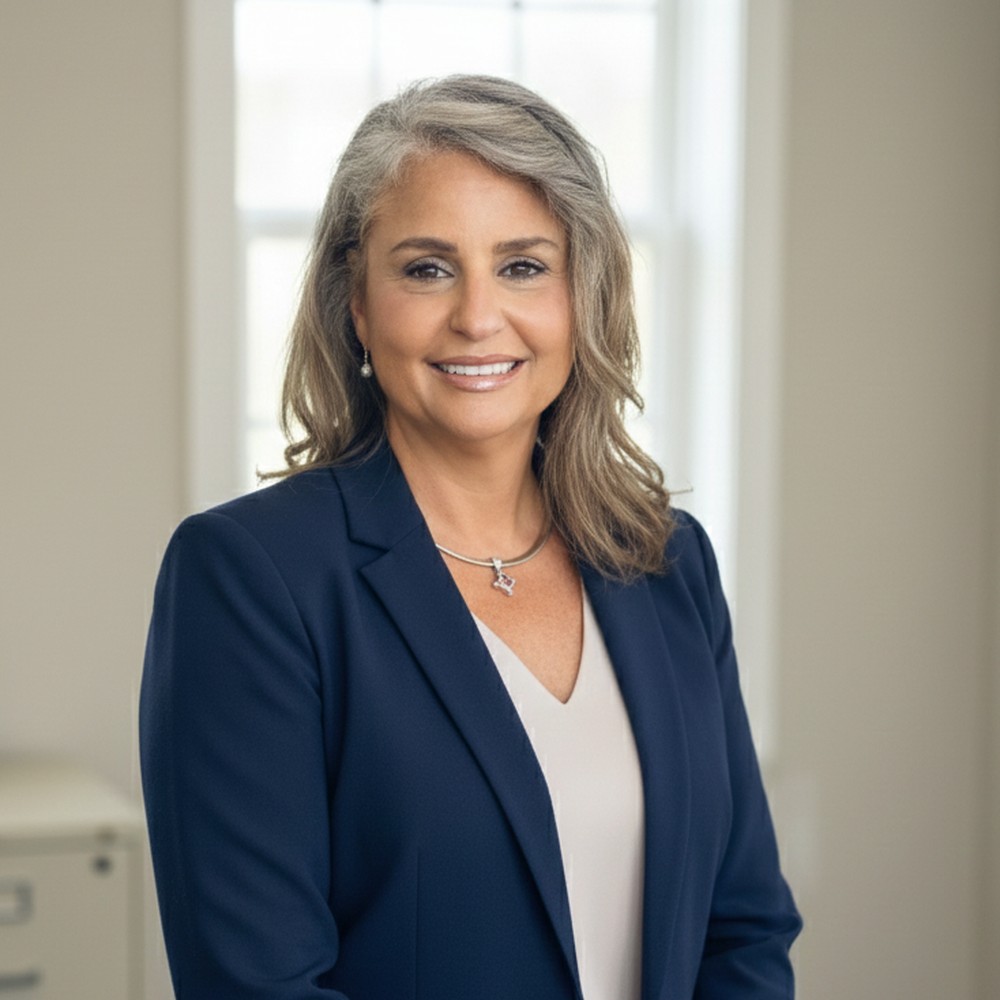
About the author
Toni Taylor Gozza — Mortgage Expert
NMLS #274323
I'm Toni Taylor Gozza, a Mortgage Expert with Interconnect Mortgage in Palm Beach Gardens, Florida, NMLS #274323. I help self-employed borrowers, first-time buyers, and people with complex income or substantial assets explore mortgage options that fit how their finances actually work. My approach is education first: I explain the choices in plain English so you can make an informed decision without being pushed into a loan you don't need. Credentials: NMLS #274323; Interconnect Mortgage, a DBA of Palm Beach Mortgage Group Inc., NMLS #373094 Expertise: Non-QM & creative financing, asset depletion, self-employed borrowers, first-time buyers
More about Toni →Ready to talk numbers?
Schedule a 15-minute call. We'll walk through your situation and show you what's actually possible — no pressure, no pitch.
Book a callRelevant loan programs
Related articles
Can You Buy a Home With a Reverse Mortgage? HECM for Purchase Explained

Can You Really Retire Early? (Only If You Know These Mortgage Loopholes)