Retirement & Reverse Mortgages
How Reverse Mortgages Actually Work (Plain English)
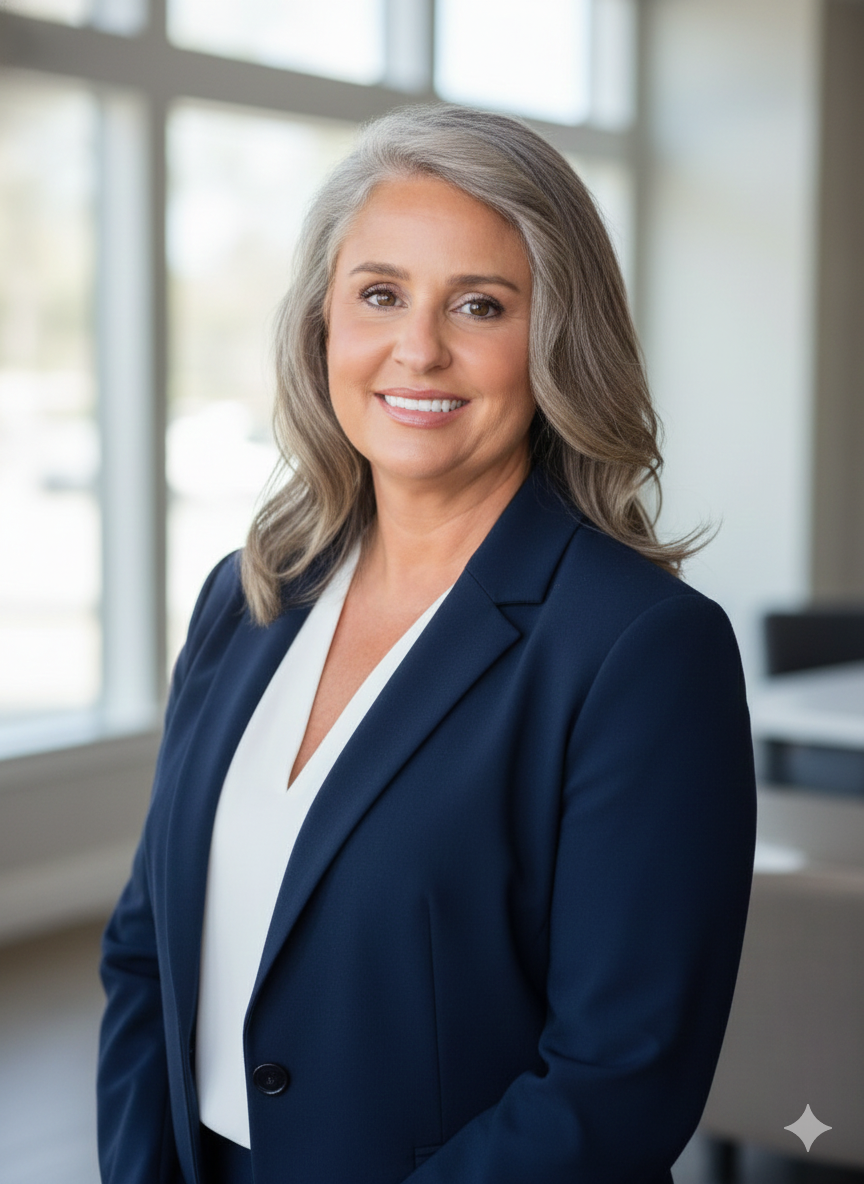 Toni Taylor Gazza · NMLS #274323
How does a reverse mortgage work and who is it right for?
A reverse mortgage is a loan for homeowners 62 or older that lets them borrow against their home equity. Instead of paying the lender monthly, the lender pays you, and no monthly mortgage payment is due as long as you live in the home. The most common version is the FHA-insured HECM. It fits retirees who are house rich but cash poor and plan to stay in their home.
A reverse mortgage is a loan for homeowners 62 or older that lets them borrow against the equity they already have. Instead of sending the lender a payment every month, the money flows the other direction. The lender pays you. You make no monthly mortgage payment for as long as you live in the home. The most common version is the FHA-insured HECM, and it fits retirees who are house rich but cash poor and plan to stay put.
You could be sitting on hundreds of thousands of dollars in home equity and still feel like you cannot cover the electric bill. That is the strange spot a lot of homeowners over 62 land in. The house is paid off, or close to it. The money is real. But it is locked inside the walls, and you cannot spend a kitchen or a paid-off roof at the grocery store. So let me walk you through how this loan turns trapped equity back into money you can use, who it is right for, and who should walk away.
What is a reverse mortgage in plain English?
With a normal loan, you send the bank a payment every month. With a reverse mortgage, the money goes the other way. You are borrowing against your own equity, and you do not make a monthly mortgage payment on it for as long as you live in the home.
The most common version is called a HECM, which stands for Home Equity Conversion Mortgage. It is insured by the federal government through the FHA. That government backing matters, and I will come back to why. You can read the basics directly from the Consumer Financial Protection Bureau and from HUD's HECM program page.
How do you receive the money?
Here is the part that catches people off guard. You get to choose how the money comes to you.
- A line of credit you draw from only when you need it
- Fixed monthly payments for a set number of years, called a term option
- Fixed monthly payments for as long as you live in the home, called a tenure option
- A mix of a monthly payment and a line of credit
Picture someone who is short a few hundred dollars every month after Social Security and a pension. That gap is what drains their savings. A monthly payment from their own equity can close that gap, and the savings stop bleeding.
The money is generally tax-free, and for most people it does not affect Social Security or Medicare. That surprises people, so let it land.
Do I still own my home with a reverse mortgage?
Yes. You keep the title. You stay the owner. The loan gets repaid later, when the last borrower passes away, sells, or moves out for good, usually by selling the home at that point. You are not signing your house over to a bank. That is the myth that scares good candidates away from even asking.
You still have responsibilities. You need to keep up with property taxes, homeowners insurance, and basic upkeep. If those slide, the loan can come due, so this is not a hands-off arrangement.
What are the honest tradeoffs?
I am not going to only sell you the bright side, because this is not right for everyone. So let me be straight.
With a reverse mortgage, the balance goes up over time, not down. Interest gets added to what you owe every month. So your debt grows and your equity shrinks. That is the opposite of a regular mortgage, where the balance drops and your equity builds. For a lot of retirees that tradeoff is completely fine, because the goal is to use the equity now, while they are living in the home and need the breathing room. But you should hear it plainly before you decide.
There are also real costs to get in. There is an origination fee, a mortgage insurance premium on the government-backed version, and normal closing costs. So this is an expensive way to borrow if you only need a small amount or you plan to move in a couple of years. If you might sell soon, a reverse mortgage is usually the wrong tool.
Can I ever owe more than my home is worth?
No, and this is where that government backing earns its keep. Because the HECM is FHA-insured, you can never owe more than the home is worth when the loan is repaid. If the balance grows past the value of the house, that is the insurance's problem, not your heirs' problem. This is called a non-recourse feature, and it is a big reason I steer people toward the government version.
What is HUD counseling and why is it required?
Here is the piece almost nobody knows about until they are sitting across from me. Before you can even get one of these, you are required to sit down with an independent counselor approved by HUD. Not the lender. A neutral third party whose entire job is to walk you through the costs, the alternatives, and whether this even makes sense for you.
It is a built-in safety check, and I think it is one of the smartest things about the whole program. You can find approved counselors through HUD's housing counselor search.
What are the alternatives to a reverse mortgage?
A reverse mortgage is not the only way to use your equity.
- A home equity line of credit might be cheaper if you can handle a monthly payment and your income and credit support it.
- Refinancing into a shorter loan sometimes makes more sense.
- Downsizing to a smaller, cheaper home can free up cash without any of this.
A good loan officer will tell you when one of those beats a reverse mortgage. I would rather send you toward the cheaper option than put you in a loan you did not need.
So the real question becomes this. You have equity you cannot spend and bills that do not stop. Is pulling from that equity the smartest move, or is one of those alternatives a better fit? That answer depends entirely on your age, your home's value, what you still owe, and how long you plan to stay. Those are your numbers, and they change the whole picture.
Talk through your numbers
That is exactly what I do. Bring me your situation and I will run the real math with you, in plain English, and tell you honestly whether this fits or whether something else serves you better. No pressure, no pushing you into a loan you do not need.
Book an exploratory call here and we will figure out the right move together.
Frequently asked questions
Who qualifies for a reverse mortgage? +
You generally need to be at least 62 years old and own your home outright or have significant equity in it. The home must be your primary residence. You also need to keep up with property taxes, homeowners insurance, and basic maintenance. Before closing, you are required to complete a counseling session with an independent HUD-approved counselor who reviews the costs and alternatives with you. Your age, home value, and existing loan balance all affect how much you can borrow.
Is reverse mortgage money taxable? +
The money you receive from a reverse mortgage is generally tax-free because it is loan proceeds, not income. For most people it also does not affect Social Security or Medicare benefits. It can affect need-based programs like Medicaid, so that is worth checking for your own situation. This is educational information, not tax advice, so confirm the specifics with a tax professional and review IRS guidance before making decisions based on your circumstances.
What happens to my house when I die? +
When the last borrower passes away, moves out for good, or sells, the loan becomes due. Usually the home is sold to repay the balance. Because the HECM is FHA-insured, your heirs will never owe more than the home is worth. If there is equity left after the loan is repaid, it goes to your estate. Your heirs can also choose to keep the home by paying off the loan balance or the appraised value, whichever is less.
How is a reverse mortgage different from a HELOC? +
With a HELOC you make monthly payments and the balance goes down as you pay it off. With a reverse mortgage you make no monthly mortgage payment, but the balance grows over time as interest is added. A HELOC can be cheaper if you have the income and credit to support monthly payments. A reverse mortgage fits retirees on a tight budget who need to stop draining savings and plan to stay in the home for years.
When is a reverse mortgage a bad idea? +
A reverse mortgage is usually the wrong tool if you plan to move or sell within a couple of years, because the upfront costs make it expensive for short-term use. It may also not fit if you only need a small amount of cash or if a cheaper option like a HELOC, a refinance, or downsizing would serve you better. The required HUD counseling exists partly to help you spot these situations before you commit.
Sources
- What is a reverse mortgage? — Consumer Financial Protection Bureau
- Home Equity Conversion Mortgages (HECM) — U.S. Department of Housing and Urban Development
- Find a HUD-Approved Housing Counselor — U.S. Department of Housing and Urban Development
About the author
Toni Taylor Gazza — Founder & Mortgage Expert
NMLS #274323
Toni Taylor Gozza has spent her entire career — since 1990 — inside the mortgage business, and she's worked every channel of it: consumer finance, banks, wholesale lending, and mortgage brokering. She was one of the youngest people ever promoted into management at her company at age 21, and one of the very few people in the country to serve as a wholesale account executive with actual signing underwriting authority. Running an entire wholesale mortgage company gave Toni rare insight into what secondary markets and investors need to package and approve a loan. That underwriting-level understanding is exactly why she and her team can find a path for borrowers other lenders turn away, especially in the Non-QM space. Toni leads Interconnect Mortgage as an educator first. She won't sell you into a loan you don't need — she'll explain your options in plain English so you can decide for yourself. A Palm Beach County resident since 1992, she's active with the Junior League and the Couture Club, a local organization supporting children's foundations.
Ready to talk numbers?
Schedule a 15-minute call. We'll walk through your situation and show you what's actually possible — no pressure, no pitch.
Book a call

