Reverse Mortgage / Aging in Place
Elder Law vs. Estate Planning: Which Attorney Do You Really Need?
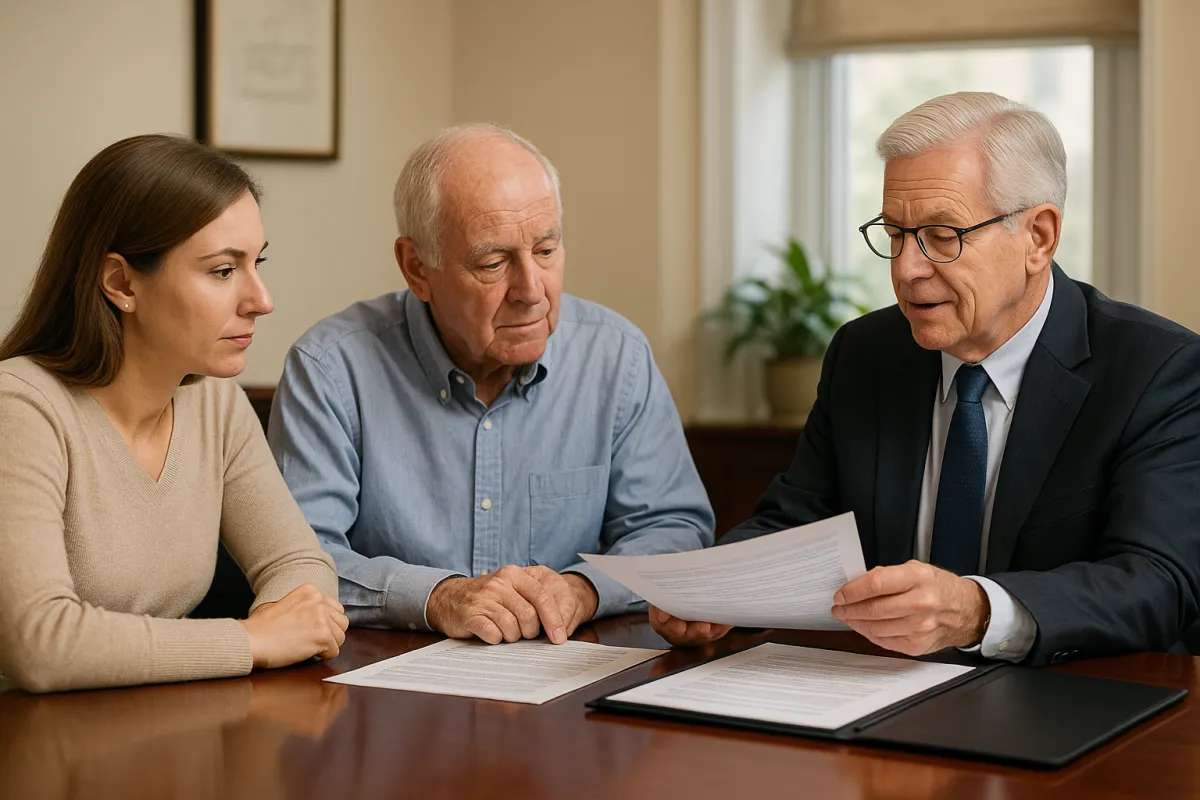
Do I need an elder law attorney or an estate planning attorney?
It depends on the stage of planning. A wills, trusts and estates attorney handles what happens after death — inheritance, probate, and estate taxes. An elder law attorney handles quality of life while aging — long-term care planning, Medicaid and VA benefit qualification, and protecting assets while funding care. If you're considering a reverse mortgage or aging-in-place strategy, you want an elder law attorney involved; for many families, the right answer is both.
Custom HTML/CSS/JAVASCRIPT
Why this question matters
When families explore reverse mortgages to help pay for care, one of the first questions that comes up is:
👉 “Do we need an elder law attorney, or will a regular wills-and-estates lawyer do the trick?”
The truth: both have important roles, but they focus on different stages of life planning. Understanding the distinction could save your family headaches — and money.
What a Wills, Trusts & Estates Attorney Does
Think of a WTE attorney as your legacy planner. Their focus is on:
- Drafting wills and trusts
- Minimizing estate taxes
- Structuring inheritance
- Making sure assets transfer smoothly after death
Their job is mainly about protecting what happens after life — how assets move to heirs, how probate is handled, and how family disputes are minimized.
What an Elder Law Attorney Does
An elder law attorney is more like your life planner. Their focus is on:
- Long-term care planning (in-home, assisted living, nursing care)
- Medicaid/VA benefit qualification
- Guardianship or power of attorney
- Protecting assets while still funding care
- Housing and healthcare decision-making
Their job is mainly about protecting quality of life while aging — making sure seniors can afford care, stay safe, and preserve dignity.
How they overlap
Both types of attorneys may draft documents like powers of attorney, healthcare directives, and trusts. But their lens is different:
- A WTE attorney looks at the after-effects — “What happens to the house after mom passes?”
- An Elder law attorney looks at the here and now — “How do we use the house to fund care while mom is alive?”
Why this matters in reverse mortgage planning
Here’s where families often get tripped up:
- A WTE attorney may not consider Medicaid eligibility rules, which can impact how a reverse mortgage line of credit is treated.
- An Elder law attorney can help structure the use of reverse mortgage funds so they don’t accidentally disqualify a parent from benefits.
- Together, they ensure both care today and inheritance tomorrow are balanced.
Real-life example
Linda’s mom wanted to use a reverse mortgage to pay for in-home care. Her WTE attorney had done a great job setting up a trust, but he didn’t advise on how using that money might affect Medicaid down the road. An elder law attorney stepped in, coordinated the plan, and helped Linda’s mom qualify for benefits without losing her home or care.
The bottom line
- If you’re thinking about long-term care, benefits, or aging-in-place strategies, you want an elder law attorney in the room.
- If you’re thinking about inheritance, probate, and how assets pass to kids, you want a wills & estates attorney in the room.
- In many families, the right answer is both.
Because when you’re weighing a reverse mortgage, it’s not just about the money — it’s about making sure the whole plan holds up legally for today and tomorrow.
👉 Next Step: Before making a decision, set up a family call with your financial planner, CPA, and the right type of attorney. And if you want to explore how a reverse mortgage might fit into that plan, let’s talk.
Book a free 15-minute call: /book
Interconnect Mortgage, a DBA of Palm Beach Mortgage Group Inc., NMLS 373094
Check licensing at NMLS Consumer Access
Disclaimer: This content is for educational purposes only and should not be considered legal, tax, or financial advice. Interconnect Mortgage, a DBA of Palm Beach Mortgage Group Inc. is not a law firm and does not provide legal services. Always consult with a qualified elder law attorney, estate planning attorney, CPA, and financial advisor before making decisions regarding reverse mortgages, estate planning, or long-term care. All loans are subject to credit approval, program guidelines, and property requirements. Reverse mortgage borrowers must continue to pay property taxes, homeowners insurance, and maintain the home. Program terms and availability are subject to change without notice. Not all applicants will qualify.
Frequently asked questions
What's the difference between an elder law attorney and an estate planning attorney? +
An estate planning (wills, trusts & estates) attorney focuses on what happens after life — drafting wills and trusts, minimizing estate taxes, and transferring assets smoothly to heirs. An elder law attorney focuses on quality of life while aging — long-term care planning, Medicaid and VA qualification, guardianship, and protecting assets while still funding care.
Why does this matter for a reverse mortgage? +
A wills-and-estates attorney may not consider Medicaid eligibility rules, which can impact how a reverse mortgage line of credit is treated. An elder law attorney can structure the use of reverse mortgage funds so they don't accidentally disqualify a parent from benefits — balancing care today with inheritance tomorrow.
Do I need both types of attorney? +
In many families, yes. If you're thinking about long-term care, benefits, or aging-in-place strategies, you want an elder law attorney in the room. If you're thinking about inheritance, probate, and how assets pass to kids, you want a wills & estates attorney. Together they ensure the whole plan holds up for today and tomorrow.
What should families do before deciding on a reverse mortgage? +
Set up a family call with your financial planner, CPA, and the right type of attorney before making a decision. A reverse mortgage isn't just about the money — it's about making sure the whole plan holds up legally for both care today and inheritance tomorrow.
About the author
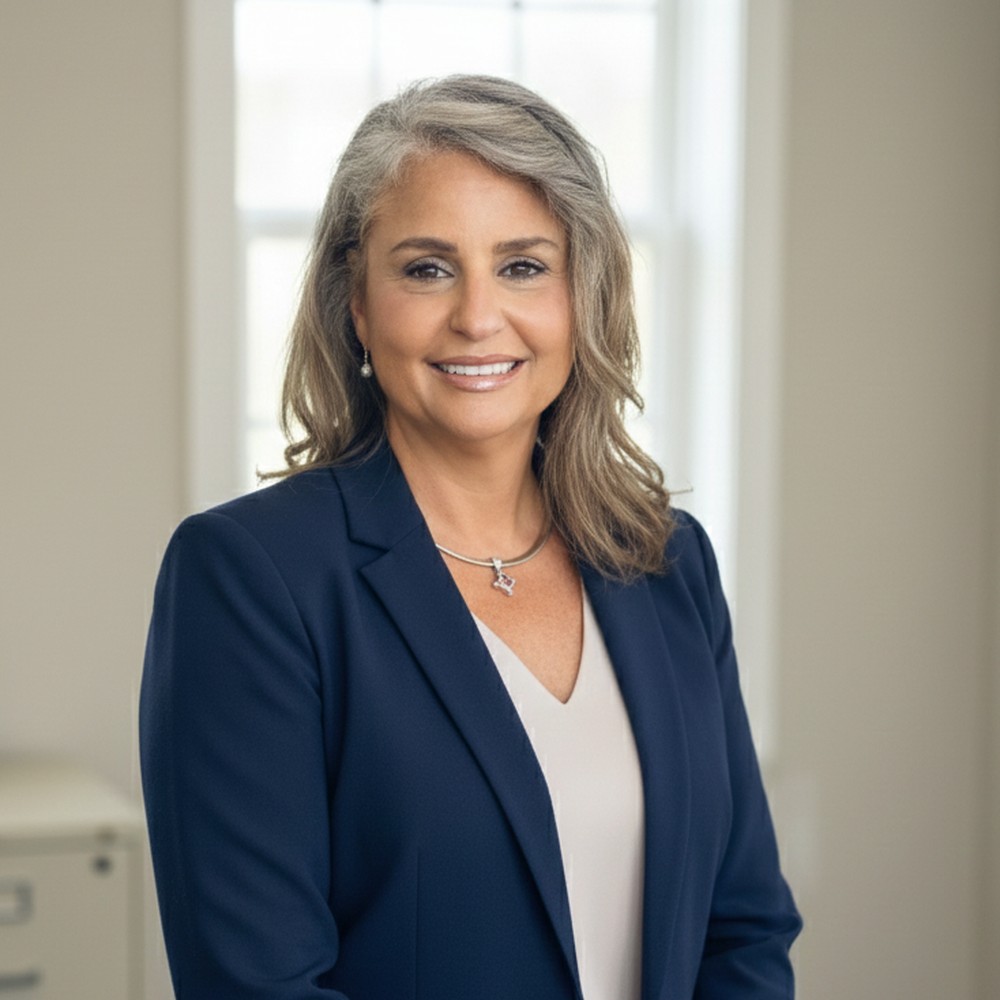
Toni Taylor Gozza — Mortgage Expert
NMLS #274323
I'm Toni Taylor Gozza, a Mortgage Expert with Interconnect Mortgage in Palm Beach Gardens, Florida, NMLS #274323. I help self-employed borrowers, first-time buyers, and people with complex income or substantial assets explore mortgage options that fit how their finances actually work. My approach is education first: I explain the choices in plain English so you can make an informed decision without being pushed into a loan you don't need. Credentials: NMLS #274323; Interconnect Mortgage, a DBA of Palm Beach Mortgage Group Inc., NMLS #373094 Expertise: Non-QM & creative financing, asset depletion, self-employed borrowers, first-time buyers
More about Toni →Ready to talk numbers?
Schedule a 15-minute call. We'll walk through your situation and show you what's actually possible — no pressure, no pitch.
Book a call

